The concept of a “Presidential Grant” tied to job opportunities with visa sponsorship in the United States is often misunderstood, as no specific program explicitly named “Presidential Grant” exists for visa sponsorship. However, various U.S. government initiatives, employment-based visa programs, and grants indirectly support international professionals seeking to work in the U.S.
These programs aim to attract skilled talent to fill critical labor shortages, particularly in industries like technology, healthcare, and engineering. Visa sponsorship, typically through programs like the H-1B, O-1, or employment-based immigrant visas, allows foreign nationals to work legally in the U.S. under specific conditions. This guide provides an overview of how grants and visa sponsorship intersect, offering pathways for international job seekers to pursue careers in the U.S.
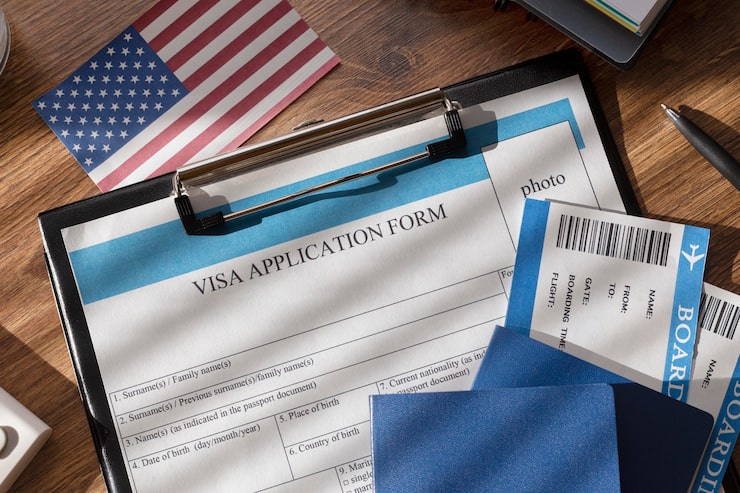
Overview of Visa Sponsorship and Grants
Visa sponsorship in the U.S. involves an employer or organization supporting a foreign national’s application for a work visa, such as the H-1B for specialized occupations, O-1 for individuals with extraordinary abilities, or employment-based immigrant visas (EB-1, EB-2, EB-3). These visas require a U.S. employer to file a petition with the U.S. Citizenship and Immigration Services (USCIS), demonstrating that the candidate meets specific qualifications and that the job cannot be easily filled by a U.S. worker.
Grants, while not directly tied to visa sponsorship, play a role in creating job opportunities. Federal grants, such as those from the Department of Labor or National Science Foundation, fund industries, research projects, or training programs that may prioritize hiring skilled foreign workers. For example, grants supporting STEM (science, technology, engineering, and mathematics) initiatives often lead to job openings in universities, tech companies, or healthcare institutions, which may sponsor visas for qualified candidates. No single “Presidential Grant” exists for visa sponsorship, but presidential initiatives or federal funding programs may indirectly support such opportunities by boosting industries with labor shortages.
Steps to Secure Visa-Sponsored Jobs
-
Research Industries and Employers: Focus on sectors like technology, healthcare, and engineering, where visa sponsorship is common. Large corporations, universities, and research institutions often have experience sponsoring visas due to their global talent needs.
-
Build a Professional Network: Networking is critical for finding visa-sponsored jobs. Attend industry conferences, join professional associations, and use platforms like LinkedIn to connect with recruiters and professionals in your field.
-
Highlight Qualifications: Emphasize transferable skills, advanced degrees, or unique expertise in your applications. For visas like the O-1, demonstrate extraordinary ability through awards, publications, or recognition in your field.
-
Understand Visa Requirements: Research visa options like H-1B, O-1, or EB categories. Each has specific eligibility criteria, such as advanced degrees for H-1B or sustained acclaim for O-1. Consult with immigration professionals to ensure compliance.
-
Apply Strategically: Target employers known for sponsoring visas. Check job boards like MyVisaJobs or USponsorMe, which list visa-friendly opportunities. Tailor your resume to highlight skills that align with U.S. market demands.
-
Leverage Grants and Programs: Look for job openings tied to federally funded projects, such as those in renewable energy or public health. These roles may offer visa sponsorship due to the specialized nature of the work.
READ ALSO: Petroleum Engineering Jobs in the USA with Free Visa Sponsorship
FAQs
What is a Presidential Grant for job visa sponsorship?
No specific program called a “Presidential Grant” exists for visa sponsorship. However, federal grants fund industries and projects that create jobs, some of which may offer visa sponsorship for foreign workers. These grants are typically awarded to organizations, not individuals, and support sectors like technology, healthcare, or education.
Which visas are commonly sponsored by U.S. employers?
Common work visas include the H-1B for specialized occupations, O-1 for individuals with extraordinary abilities, and employment-based immigrant visas (EB-1, EB-2, EB-3). Each has unique requirements, such as advanced degrees, exceptional skills, or a job offer from a U.S. employer.
How can I find employers who sponsor visas?
Research companies in industries with high demand for skilled workers, such as tech, healthcare, or academia. Use job boards like MyVisaJobs or USponsorMe, network with professionals, and check with universities or research institutions that frequently sponsor visas.
Do I need a job offer before applying for a work visa?
Yes, most U.S. work visas, like the H-1B or EB categories, require a job offer from a U.S. employer who files a petition with USCIS. Exceptions include the O-1 visa, where individuals with extraordinary abilities can self-petition.
Can grants directly fund my visa application?
Grants typically fund organizations or projects, not individual visa applications. However, working for an employer receiving federal grants may increase your chances of securing a visa-sponsored job, as these employers often seek global talent.
How long does the visa sponsorship process take?
The timeline varies by visa type. H-1B petitions can take 3–6 months, including USCIS processing and consular interviews. Premium processing (an additional fee) can reduce USCIS processing to 15 days. O-1 and EB visas may take longer due to extensive documentation requirements.